

What Is Micellar Water Used For?
If you’ve ever wandered through the skincare aisle or scrolled beauty TikTok, chances are you’ve seen micellar water everywhere. Micellar water is frequently praised as a “lazy-girl cleanser,” a makeup remover miracle, and a must-have for sensitive skin—but what exactly is it used for, and does it truly deserve the hype?
The short answer is yes, but not always for the reasons people expect.
Micellar water is one of those skincare products that appear to be simple but actually do a lot of work. Whether you’re a skincare minimalist or have a 10-step routine, knowing how micellar water works (and how to use it correctly) can make a significant difference in your daily skincare routine.
Let’s unpack it all—no fluff, no jargon, just straight talk about what micellar water does.
What Is Micellar Water, Exactly?
Micellar water is a gentle, water-based cleansing product made with micelles—tiny clusters of cleansing molecules suspended in soft water.
Here’s the cool part:
Micelles act like tiny magnets. Each one has:
- A water-loving end (hydrophilic)
- An oil-loving end (lipophilic)
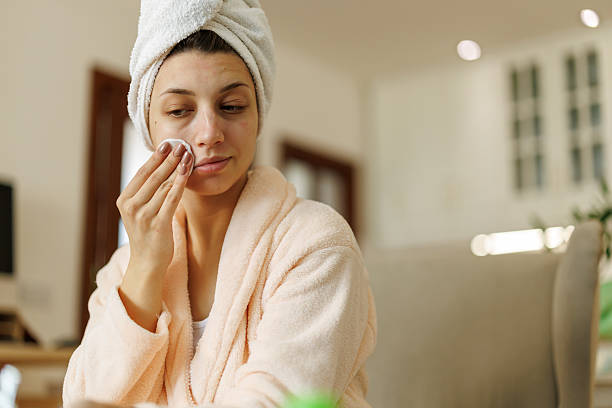
When you use a cotton pad to apply micellar water to your skin, the oil-loving ends attract dirt, oil, sunscreen, and makeup, while the water-loving ends lift it away without stripping your skin.
Unlike conventional cleaners, micellar water:
- Doesn’t foam
- Usually doesn’t need rinsing
- Is extremely gentle
That’s why it’s so popular among people with sensitive, acne-prone, or dry skin.
What Is Micellar Water Used For?
Micellar water is surprisingly versatile. It’s not just a makeup remover—it’s more like a skincare multitasker.
1. Removing Makeup (Including Eye Makeup)
This is what micellar water is most famous for.
Micellar water effectively removes the following:
- Foundation
- Concealer
- Blush and bronzer
- Eye makeup (mascara, eyeliner, eyeshadow)
- Lipstick
Because it doesn’t contain harsh alcohols or detergents, it’s safe for delicate areas like the eyes and lips.
Pro tip:
Hold the soaked cotton pad over your eye for a few seconds before wiping. Let the micelles break down the makeup instead of rubbing; your lashes will thank you.
2. Gently Cleansing the Skin
Micellar water can work as a daily cleanser, especially if:
- You don’t wear heavy makeup
- You have sensitive or reactive skin
- You’re cleansing in the morning
- You want something quick and gentle
It removes:
- Excess oil
- Dirt and pollution
- Sweat
- Light sunscreen
However, if you wear full-coverage makeup or waterproof products, micellar water may not be sufficient as a cleanser. In those cases, it’s best used as the first step in a two-step cleaning regimen.
3. A No-Rinse Cleanser for Busy or Lazy Days
Let’s be honest—some days, even washing your face feels like a lot.
Micellar water is perfect for the following:
- Late nights
- Early mornings
- Post-workout quick cleanses
- Travel days
- Camping or flights
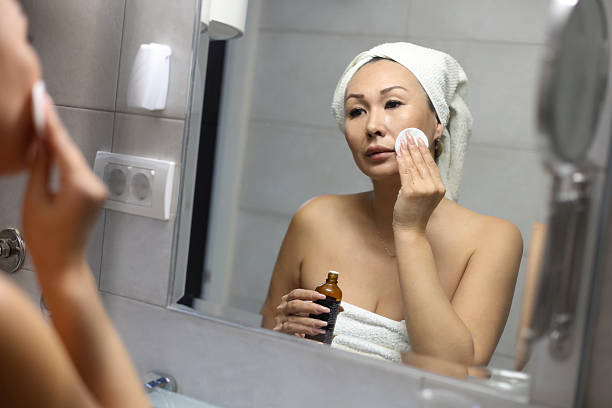
Because it doesn’t need to be rinsed (though you can rinse if you want), it’s one of the easiest ways to clean your skin when life gets hectic.
4. A Gentle Option for Sensitive Skin
If your skin reacts to everything, micellar water might be your new best friend.
Most formulas are:
- Soap-free
- Alcohol-free
- Fragrance-free (depending on brand)
- pH-balanced
That makes micellar water ideal for:
- Rosacea-prone skin
- Eczema-prone skin
- Post-procedure skin
- Teens just starting skincare
Always check the ingredient list, though—some versions include fragrance or essential oils that may irritate sensitive skin.
5. Prepping Skin Before Skincare or Makeup
Micellar water isn’t just for cleansing—it’s also great for prepping the skin.
Use it to:
- Remove leftover cleanser residue
- Cleanse skin before applying serums
- Refresh skin before makeup application
- Remove excess oil without over-drying
Makeup artists often use micellar water backstage to prep models’ skin because it cleans without leaving residue.
6. Fixing Makeup Mistakes
This one’s a beauty insider trick.
Dip a cotton swab in micellar water to:
- Clean up eyeliner wings
- Remove mascara smudges
- Sharpen lipstick edges
- Fix foundation streaks
It’s precise, gentle, and won’t ruin the rest of your makeup.
7. Refreshing Skin Throughout the Day
Micellar water can double as a skin refresher, especially in hot weather.
Use it to:
- Remove sweat
- Cleanse after commuting
- Freshen skin without redoing makeup
Some people even keep a travel-size bottle in their bag for midday touch-ups.
How to Use Micellar Water Correctly
Using micellar water is simple—but technique matters.
Basic Method:
- Saturate a cotton pad with micellar water
- Gently swipe across your face
- Repeat until the pad comes away clean
For Eye Makeup:
- Hold the pad on your closed eye for 10–15 seconds
- Gently wipe downward
- Avoid aggressive rubbing
Should You Rinse After?
This depends on:
- Your skin type
- The formula
- Personal preference
Many dermatologists recommend rinsing if:
- You’re acne-prone
- The formula contains surfactants
- You’re using it as your only cleanser
If you don’t rinse, follow with a moisturizer to keep skin balanced.
Micellar Water vs Cleanser: What’s the Difference?
This is where people get confused.
Micellar Water:
- Gentle
- Non-foaming
- Great for makeup removal
- Ideal for sensitive skin
- Can be no-rinse
Traditional Cleanser:
- Deeper cleanse
- Better for heavy makeup or sunscreen
- Usually needs water
- Comes in gel, foam, or cream forms
Best approach?
Use micellar water as a first cleanse, followed by a gentle face wash—especially at night.
Is Micellar Water Good for Acne?
Yes—but with caveats.
Micellar water can:
- Remove excess oil
- Clean pores gently
- Reduce irritation from harsh cleansers
However, it may not:
- Deep-clean clogged pores
- Replace acne treatments
If you’re acne-prone:
- Choose a fragrance-free formula
- Rinse after use
- Follow with a lightweight moisturizer
Can Micellar Water Dry Out Skin?
Most micellar waters are designed to be gentle, but dryness can happen if:
- You overuse it
- You don’t moisturize afterward
- The formula contains drying ingredients
If you have dry skin, look for versions labeled:
- “Hydrating”
- “For dry or sensitive skin”
- Containing glycerin or hyaluronic acid
Who Should Use Micellar Water?
Micellar water is suitable for almost everyone, including:
- Teens
- Beginners to skincare
- Sensitive skin types
- Busy professionals
- Travelers
- Makeup wearers
It’s especially helpful if you want something:
- Easy
- Gentle
- Multi-purpose
Who Might Want to Skip It?
Micellar water may not be ideal if:
- You wear heavy waterproof makeup daily
- You prefer deep foaming cleansers
- You have extremely oily skin and don’t rinse
In those cases, micellar water still works well as a makeup remover, just not as your only cleanser.
Final Thoughts: What Is Micellar Water Really Used For?
At its core, micellar water is used to cleanse without stress.
It eliminates makeup, lifts dirt, refreshes skin, and streamlines your routine—all without harsh ingredients or complicated steps. It isn’t a miracle cure or a one-size-fits-all solution, but it is one of the most versatile skincare products available.
Whether you use it as:
- A makeup remover
- A gentle cleanser
- A travel essential
- A skincare shortcut
Micellar water earns its place on the shelf by being effective, flexible, and incredibly easy to use.
Sometimes, simple really is better.