
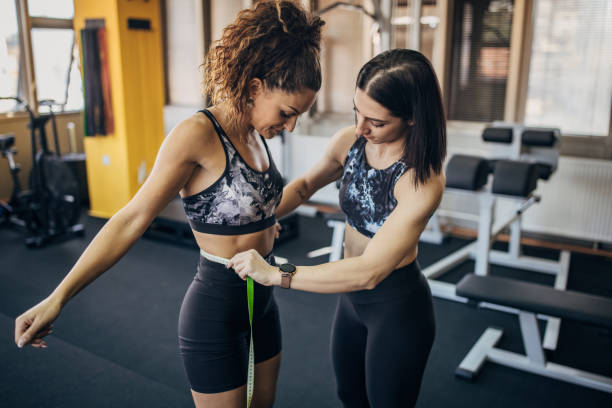
Waist trainers have taken the fitness and beauty world by storm. These form-fitting clothes are frequently promoted as a quick way to get a smaller waist, from influencers promising instant curves to celebrities showing off their tiny waists on social media. But do waist trainers actually work—or are they just another beauty myth?
In this article, we’ll break down what waist trainers do, how they work, and whether they’re truly effective for long-term results.

What Is a Waist Trainer?
A waist trainer is a compression garment, usually made from latex or thick elastic material, designed to tightly wrap around the midsection. It’s often worn during workouts or throughout the day to create a more cinched waist appearance.
Waist trainers are commonly confused with corsets, but modern waist trainers are more flexible and marketed as fitness accessories rather than undergarments.
How Do Waist Trainers Work?
Waist trainers work primarily through compression. When worn, they:
- Compress your stomach and waist area
- Make you sweat more during workouts
- Temporarily reshape your midsection while wearing them
However, this effect is temporary and mostly visual.
Do Waist Trainers Actually Slim Your Waist?
Short answer: Not permanently.
Waist trainers can make your waist look smaller while you’re wearing them, but they do not permanently reduce fat or change your body structure.

Here’s why:
- The “slimming” effect comes from compression, not fat loss
- Any weight lost is usually water weight from sweating
- Once you remove the waist trainer, your body returns to its natural shape
True waist reduction requires fat loss through a calorie deficit, exercise, and healthy habits.
Can Waist Trainers Help With Weight Loss?
Waist trainers do not directly cause weight loss. However, some people report indirect benefits such as:
- Improved posture
- Feeling more mindful of their core
- Eating smaller portions due to compression
However, these effects differ from person to person and should not take the place of a healthy diet and regular exercise.
Are Waist Trainers Effective During Workouts?
Wearing a waist trainer during workouts may:
- Increase sweating around the midsection
- Provide light back support
But increased sweat does not equal fat loss. Excessive compression during exercise may also:
- Restrict breathing
- Reduce workout performance
- Cause discomfort or overheating
Fitness experts generally recommend focusing on proper form and core-strengthening exercises instead.
Are Waist Trainers Safe?
Waist trainers can be safe when used occasionally and correctly, but overuse may lead to problems such as:
- Digestive discomfort
- Weakened core muscles
- Shortness of breath
- Skin irritation
They should never be worn too tightly or for extended periods.
Who Might Benefit From Waist Trainers?
Waist trainers may be useful if:
- You want a temporary waist-slimming appearance for an event
- You’re using them occasionally for posture support
- You understand they’re not a long-term solution
They are not ideal for permanent body shaping or weight loss.
Better Alternatives to Waist Trainers

If your goal is a smaller waist or flatter stomach, consider:
- Core-strengthening exercises (planks, crunches, Pilates)
- Full-body workouts and cardio
- Balanced nutrition
- Staying hydrated and reducing bloating
These methods produce real, lasting results without health risks.
Potential Health Risks and Concerns
Although waist trainers may seem harmless, excessive or prolonged use can pose health risks, especially if worn too tightly or for long periods.
Possible Health Concerns Include:
- Digestive issues: Compression can interfere with digestion, leading to acid reflux, bloating, or discomfort
- Restricted breathing: Tight waist trainers may limit lung expansion, reducing oxygen intake
- Weakened core muscles: Relying on external support can cause core muscles to weaken over time
- Organ compression: Prolonged pressure may shift or compress internal organs
- Skin irritation: Trapped sweat can cause rashes, itching, or infections
- Poor circulation: Excessive tightness may reduce blood flow
Health experts advise using waist trainers sparingly and avoiding them altogether if you experience pain, dizziness, or breathing difficulty.
CONCLUSION
Waist trainers work only as a temporary shaping tool, not as a permanent solution for weight loss or waist reduction. While they can enhance your silhouette for short periods, lasting results come from consistent exercise, healthy eating, and lifestyle changes.
If you choose to use a waist trainer, do so safely—and manage your expectations.