
Does Nail Polish Remover Expire (or Go Bad)?
If you’ve ever cleaned out your makeup drawer and discovered a half-empty bottle of nail polish remover from who knows when, you’re not alone. Most people don’t think twice about nail polish remover. It’s not glamorous, it’s not trendy, and it usually just sits there quietly doing its job.
But eventually, a question arises: does nail polish remover expire?
Perhaps more importantly, can nail polish remover go bad?
The short answer is yes: nail polish remover can expire or degrade with time. The longer (and more useful) answer is determined by the type of remover, how it is stored, and how frequently it is used.
Let’s break it all down so you know exactly when it’s time to toss that bottle and when it’s still perfectly fine to use.
What Is Nail Polish Remover Made Of?
To understand whether nail polish remover expires, it helps to know what’s inside the bottle.
Most nail polish removers fall into two main categories:
1. Acetone-Based Nail Polish Removers
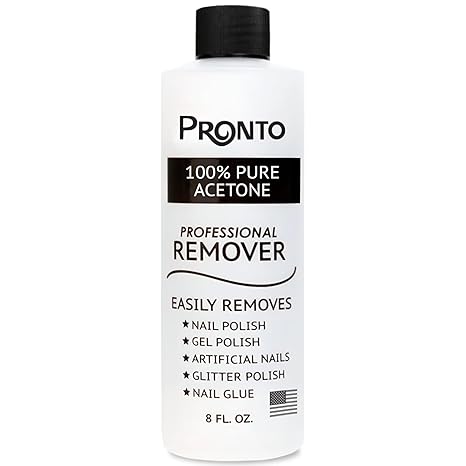
These are the strongest and most common types. Acetone removers typically contain:
- Acetone (the main solvent)
- Small amounts of water
- Fragrance or conditioning agents
Acetone is a potent solvent that dissolves nail polish quickly and effectively. It evaporates quickly and has an unmistakable smell.
2. Non-Acetone Nail Polish Removers
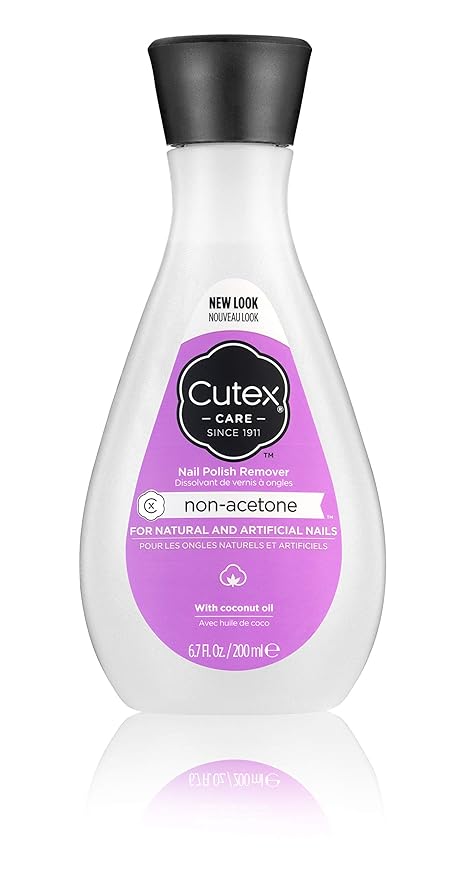
These are marketed as “gentler” or “moisturizing” alternatives. They often contain:
- Ethyl acetate or propylene carbonate
- Alcohol
- Oils, glycerin, aloe, or vitamins
- Fragrance
Non-acetone removers are less harsh but also less effective, especially on gel or glitter polishes.
Because these formulas are different, they don’t age the same way, which affects how long they last.
So… Does Nail Polish Remover Expire?
Technically, most nail polish removers do not have a strict expiration date, especially acetone-based ones. However, this does not imply that they will always remain in perfect condition.
Over time, nail polish remover can:
- Lose strength
- Evaporate
- Become contaminated
- Separate or change in texture
In other words, even if it doesn’t suddenly “expire” on a specific date, it can absolutely go bad.
How Long Does Nail Polish Remover Last?
Here’s a general guideline, assuming the bottle is stored properly:
Acetone-Based Remover
- Shelf life: 3–5 years (sometimes longer)
- Acetone is chemically stable and doesn’t spoil easily
- The main issue is evaporation, not decomposition
Non-Acetone Remover
- Shelf life: 1–3 years
- More prone to breakdown due to added ingredients like oils and botanicals
- Can separate, weaken, or grow bacteria once opened
If your remover is unopened and tightly sealed, it may last even longer. Once open, air exposure accelerates degradation.
Signs Your Nail Polish Remover Has Gone Bad
Instead of checking dates, your senses are the best tools. Here’s how to tell if your nail polish remover is past its prime.
1. The Smell Has Changed
Fresh acetone has a strong but clean chemical scent. If your remover smells:
- Sour
- Musty
- Sweet in a strange way
- Or noticeably “off”
…it’s likely degraded or contaminated.
2. It Doesn’t Work Like It Used To
If you need way more product or repeated scrubbing to remove polish that used to come off easily, the remover has likely lost potency due to evaporation or dilution.
3. Cloudiness or Separation
Non-acetone removers especially can:
- Turn cloudy
- Separate into layers
- Develop floating particles
That’s a clear sign it’s time to replace it.
4. Changes in Texture
If the remover feels sticky, oily, or leaves an unusual residue on your nails, something isn’t right.
5. It Irritates Your Skin More Than Usual
Old or contaminated remover can cause:
- Burning
- Redness
- Itching
That’s not normal and shouldn’t be ignored.
Can You Still Use Expired Nail Polish Remover?
This depends on how it expired.
- Slightly weaker acetone?
It might still work, just more slowly. - Cloudy, smelly, or separated remover?
That’s a no. Using it can irritate your skin or introduce bacteria around your nails and cuticles.
If you’re unsure, replacement is usually the safer option. Nail polish remover is inexpensive when compared to dealing with nail damage or skin irritation.
Is Using Old Nail Polish Remover Dangerous?
In most cases, using an old remover is not dangerous, but it can be unpleasant and harmful to your nails.
Potential issues include:
- Excessive dryness
- Brittle nails
- Cuticle irritation
- Increased risk of infection (especially if there are micro-cuts)
Non-acetone removers containing plant-based ingredients are more likely to harbor bacteria over time, especially if cotton pads or fingers have repeatedly touched the opening.
Why Nail Polish Remover Loses Effectiveness Over Time
The biggest enemy of nail polish remover is air exposure.
Acetone evaporates very quickly. Each time you open the bottle:
- Some of the solvent escapes
- The formula becomes more diluted
- Removal power decreases
Non-acetone removers face additional challenges:
- Oils can oxidize
- Water-based ingredients can grow bacteria
- Fragrance compounds can break down
Improper storage accelerates all of this.
How to Store Nail Polish Remover Properly
Want your nail polish remover to last as long as possible? Follow these simple tips:
Keep the Cap Tightly Closed
This sounds obvious, but it’s the most important step. Even a slightly loose cap leads to evaporation.
Store It in a Cool, Dry Place
Heat promotes evaporation and chemical breakdown. Avoid storing remover:
- Near windows
- In hot bathrooms
- Close to heaters
Avoid Contamination
Do not put used cotton pads back into the bottle. If possible:
- Pour a small amount onto a pad
- Use pump dispensers
- Keep fingers away from the opening
Keep It Upright
This prevents leaks and reduces the surface area exposed to air.
Does Nail Polish Remover Have an Expiration Date Printed?
Sometimes — but not always.
Some brands include:
- A printed expiration date
- A “PAO” (Period After Opening) symbol, like 12M or 24M
If you see this symbol, it means the product is best used within that timeframe after opening, not from purchase date.
If there’s no date, rely on:
- Smell
- Performance
- Appearance
Can Nail Polish Remover Go Bad Faster?
Yes, especially if:
- The cap is left open frequently
- It’s stored in warm environments
- Cotton fibers or debris fall into the bottle
- The formula contains natural oils or aloe
Non-acetone removers generally go bad faster than pure acetone.
What About Gel Polish Removers?
Gel polish removers are usually acetone-based, sometimes with added conditioners.
Because they often come in:
- Foil wraps
- Pump bottles
- Sealed packets
…they tend to stay effective longer, as long as they remain sealed.
Once opened, they follow the same rules as regular acetone remover.
Can You Revive Old Nail Polish Remover?
This is a common question, and the answer is “sometimes.”
- If acetone has partially evaporated, adding pure acetone can restore strength.
- This does not work well for non-acetone removers.
- Never add water or alcohol unless the manufacturer specifically says it’s safe.
If the remover smells bad, looks strange, or irritates your skin, don’t try to fix it. Toss it.
When Should You Throw Nail Polish Remover Away?
It’s time to say goodbye if:
- It smells off
- It no longer removes polish effectively
- It causes irritation
- It looks cloudy or separated
- It’s more than a few years old and poorly stored
Fresh remover is cheap. Healthy nails are priceless.
CONCLUSION
So, does nail polish remover expire?
Yes—but not always in the way you expect.
Acetone-based removers can last for years if stored properly, whereas non-acetone formulas degrade faster. Even without a clear expiration date, changes in smell, strength, and appearance indicate that it is time for a replacement.
If your remover still smells clean, works well, and does not irritate your skin, it is probably fine. If not, follow your instincts—your nails will thank you.
A fresh bottle can make all the difference between a smooth, quick manicure reset and a frustrating, drying mess.