
Lip gloss isn’t just about shine — the quality of oils you choose defines texture, nourishment, and wearability. Whether you’re crafting gloss for personal use or selling your own beauty line, selecting the right oils transforms an ordinary gloss into a luxurious lip treatment.
In this guide, we’ll explore the best carrier oils, functional oils, and tips for formulating lip gloss that delivers gloss, hydration, and skin benefits.
Why Choosing the Right Oils Matters
The best lip gloss does more than add shimmer — it:
- Moisturizes and protects delicate lip skin
- Provides smooth glide and lasting shine
- Enhances formulation stability
- Can offer therapeutic benefits like anti-aging, antioxidant support, or healing properties
Using the right oils ensures your lip gloss feels great, performs well, and keeps lips healthy.
Top Oils for Lip Gloss Making
1. Castor Oil – The Gloss Hero
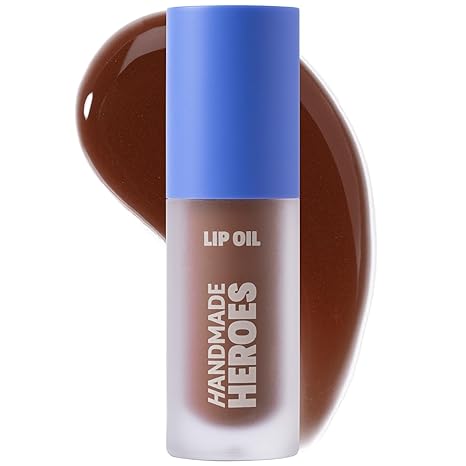
Castor oil is a staple in lip gloss formulas.
Why use it?
- Thick and viscous, creating a high-shine finish
- Excellent slip and texture
- Non-irritating and safe for lips
Pro Tip: Because it’s heavy, combine castor oil with lighter oils to avoid a sticky feel.
2. Sweet Almond Oil – Lightweight & Softening
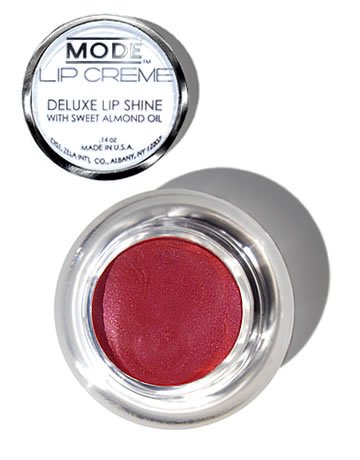
A versatile, popular choice for all skin types.
Benefits:
- Light texture with good spreadability
- Rich in Vitamin E, helping soothe and soften lips
- Absorbs easily without greasiness
Perfect for everyday and sensitive lip gloss formulations.
3. Jojoba Oil – Closest to Natural Lipids
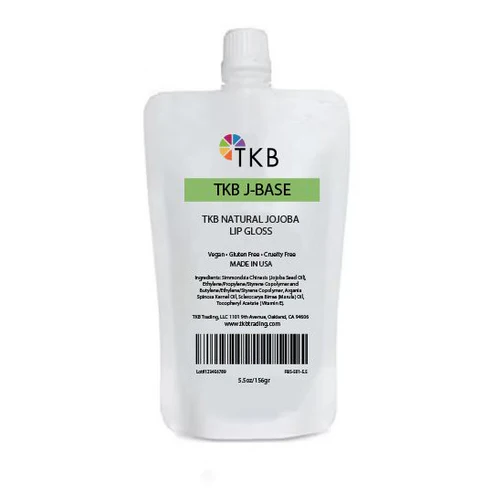
Actually a liquid wax, jojoba mimics skin’s natural oils.
Top Attributes:
- Deeply moisturizing
- Great stability = longer shelf life
- Helps lock in moisture without clogging
Best For: Lip glosses marketed as hydrating and restorative.
4. Coconut Oil – Nourishing & Tropical
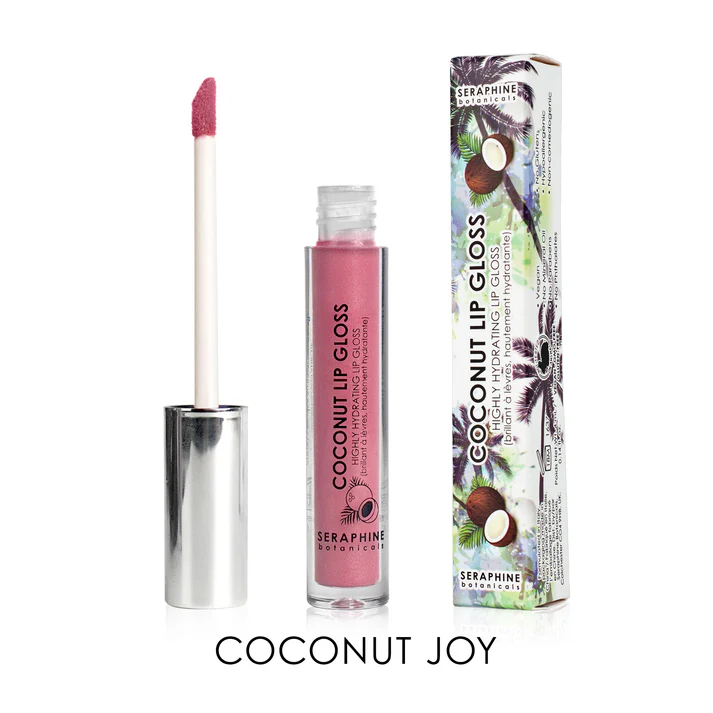
Coconut oil adds moisture and a creamy texture.
Advantages:
- Antimicrobial and soothing
- Natural tropical scent
- Great for DIY or natural formulations
Note: It may solidify in cooler temps — adjust ratios for room-temperature clarity.
5. Avocado Oil – Rich & Rejuvenating
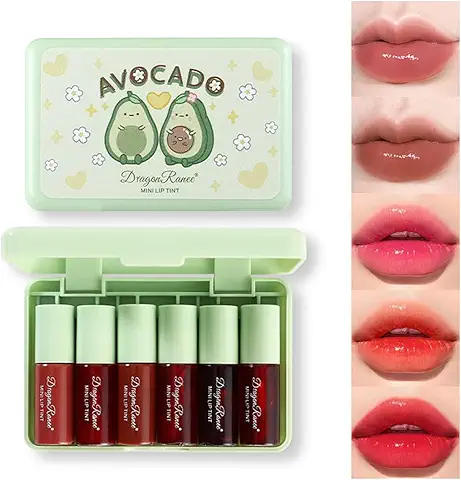
A nutrient-dense oil ideal for premium gloss formulations.
Benefits:
- Packed with vitamins A, D, and E
- Promotes healing and hydration
- Adds a silky feel
Best For: Luxury lip care lines focused on nourishment.
6. Grapeseed Oil – Light & Elegant
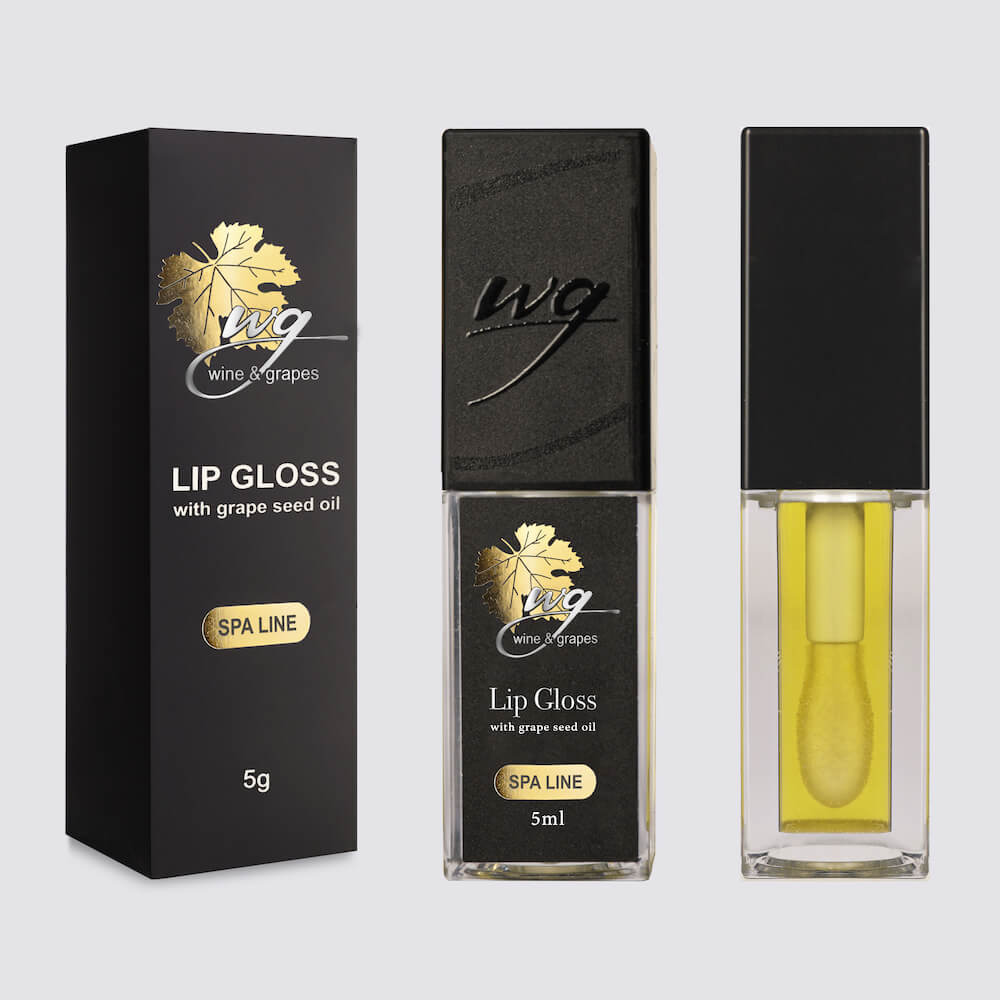
Grapeseed oil is thin and elegant — ideal for lighter gloss textures.
Why It’s Great:
- Non-greasy
- High in antioxidants
- Mixes well with colorants and flavor oils
Perfect for those who want shine without weight.
7. Vitamin E Oil – Natural Preservative Booster
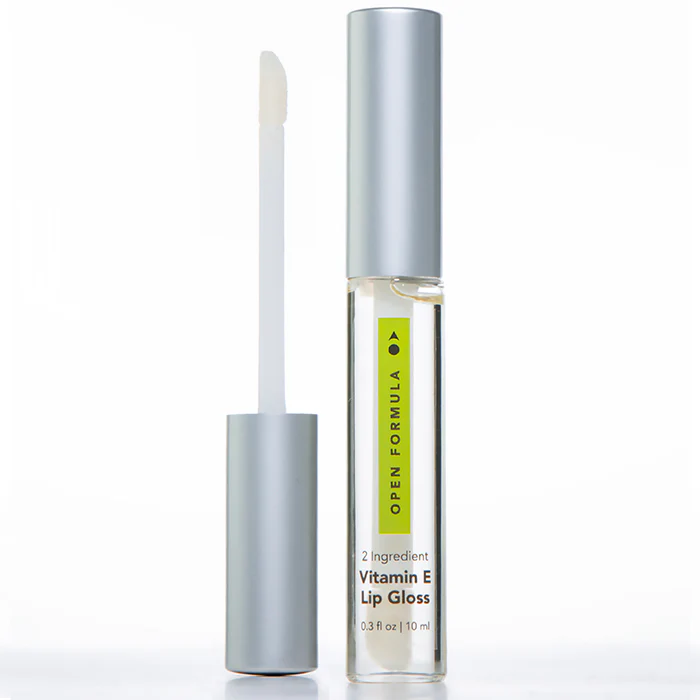
Vitamin E isn’t a primary oil but a powerful additive.
Benefits:
- Antioxidant protection slows rancidity
- Helps soothe dry, chapped lips
- Boosts shelf life
Add sparingly (0.5–1%) for best results.
Bonus Functional Oils
| Oil | Key Benefit |
|---|---|
| Rosehip Oil | Anti-aging, rich in essential fatty acids |
| Argan Oil | Silky feel, vitamin-rich protection |
| Olive Oil | Super moisturizing, budget-friendly |
| Hemp Seed Oil | Omega fatty acids, soothing lip skin |
How to Choose Oils Based on Your Goal
💄 For Maximum Shine
- Castor Oil
- Grapeseed Oil
💧 For Deep Hydration
- Jojoba Oil
- Avocado Oil
- Sweet Almond Oil
🍃 For Natural/Organic Formulas
- Coconut Oil
- Olive Oil
- Hemp Seed Oil
⏱ For Longer Shelf Life
- Add Vitamin E Oil
- Choose stable carrier oils (jojoba, sweet almond)
Here’s a simple starting recipe:
Ingredients
- Castor Oil – 40%
- Sweet Almond Oil – 30%
- Jojoba Oil – 20%
- Vitamin E – 1%
- Flavor/Essential Oil (optional) – 1%
- Mica or colorant – as desired
Instructions
- Mix carrier oils in a clean glass bowl.
- Add vitamin E and colorants; stir well.
- Heat gently (double boiler) if using solid additives.
- Pour into gloss tubes or pots.
- Let cool before using or packaging.
Tips for Better Formulation
🔹 Balance viscosity: Too much castor oil = gummy, too little = low shine
🔹 Test colorants: Some mica shades can stain or shift hue on lips
🔹 Patch test flavor oils: Certain citrus or mint may irritate sensitive lips
🔹 Store properly: Cool, dark place extends shelf life
CONCLUSION
Formulating lip gloss is both a science and art. By choosing the right oils — balancing shine, nourishment, and feel — you can create glosses that delight your customers or followers. Whether your focus is high-end beauty, natural skincare, or DIY fun, the oils above give you a strong foundation to build from.